






How Travellers Can Avoid Bringing Bed Bugs Home

Key Takeaways
- Bed bugs can easily travel in luggage, clothing, and personal belongings.
- Inspecting accommodation upon arrival helps identify potential risks early.
- Proper luggage storage reduces the chances of bed bugs entering bags.
- Clothing and suitcases should be checked and cleaned after travelling.
- Early action can prevent infestations and reduce the need for extensive bed bug treatment.
Introduction
Travelling often involves staying in hotels, serviced apartments, hostels, or holiday rentals where bed bugs may occasionally be present. These pests are skilled hitchhikers and can attach themselves to luggage, clothing, and personal belongings without being noticed. Once brought into a home, they can spread quickly and become difficult to remove. Preventive measures before, during, and after a trip can significantly reduce the risk of an infestation. Understanding how bed bugs travel and where they commonly hide is an important step in avoiding expensive pest control services and extensive remediation efforts.
Inspect Your Accommodation Carefully
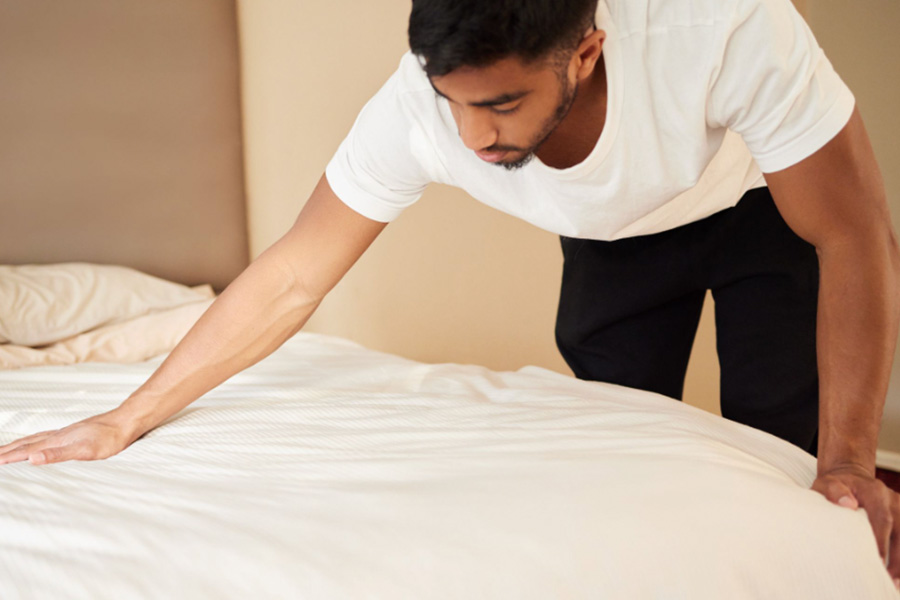
The first line of defence is inspecting the room before unpacking. Upon arrival, avoid placing luggage directly on beds, sofas, or carpeted floors. Instead, keep bags in the bathroom or on a hard surface while checking the sleeping area. Inspect mattress seams, bed frames, headboards, and nearby furniture for signs such as dark stains, shed skins, or live insects. Bed bugs prefer to stay close to areas where people sleep, making these locations common hiding spots. If evidence of bed bugs is found, notify the property management immediately and request alternative accommodation or a room located away from the affected area.
Store Luggage Away From Sleeping Areas
Where luggage is stored can influence the risk of bringing bed bugs home. Use luggage racks whenever available and position bags away from beds, upholstered furniture, and walls. Keeping suitcases zipped when not in use also reduces opportunities for insects to enter. Some travellers place clothing in sealed bags throughout their stay, making it more difficult for bed bugs to access personal items. These simple habits require little effort but can significantly lower the chances of pests hitching a ride back home.
Handle Clothing and Belongings Properly
Bed bugs can hide in clothing, shoes, backpacks, and other travel items. To minimise risk, avoid leaving clothes on furniture or the floor. Keep worn clothing separated from clean garments and use sealed laundry bags when possible. Travellers should also be cautious when placing bags on public seating areas, luggage storage spaces, or shared transport surfaces. Maintaining organised belongings and limiting unnecessary exposure to potential hiding places can help prevent accidental transfer of bed bugs during a trip.
Inspect and Clean Items After Returning Home
Prevention should continue after returning home. Before carrying luggage into bedrooms or living areas, inspect suitcases carefully. Many travellers prefer to unpack in laundry rooms, garages, or other areas away from sleeping spaces. Clothing should be washed and dried according to care instructions, with heat used whenever suitable because high temperatures can kill bed bugs and their eggs. Suitcases should be vacuumed thoroughly, especially around seams, pockets, and folds where insects may hide. Taking these precautions immediately after travelling can prevent a small problem from becoming a larger infestation.
When Professional Assistance May Be Required
Even careful travellers can occasionally encounter bed bugs. Signs such as unexplained bites, small blood spots on bedding, or visible insects should not be ignored. Early intervention is essential because bed bugs reproduce quickly and can spread throughout a property. Professional pest control providers can assess the extent of an infestation and recommend the most appropriate bed bug treatment method. Prompt action generally leads to faster and more effective results.
Conclusion
Avoiding bed bugs while travelling requires awareness and consistent preventive measures. Inspecting accommodation, storing luggage correctly, managing clothing carefully, and cleaning belongings after returning home can greatly reduce the risk of bringing these pests indoors. By taking proactive steps, travellers can protect their homes, avoid unnecessary stress, and minimise the likelihood of requiring professional pest control services or extensive bed bug treatment.
Contact EcoSpace Pest Management and discover thorough inspection and effective treatment solutions.