






What Can a CCTV Drain Survey Tell You About Your Property?

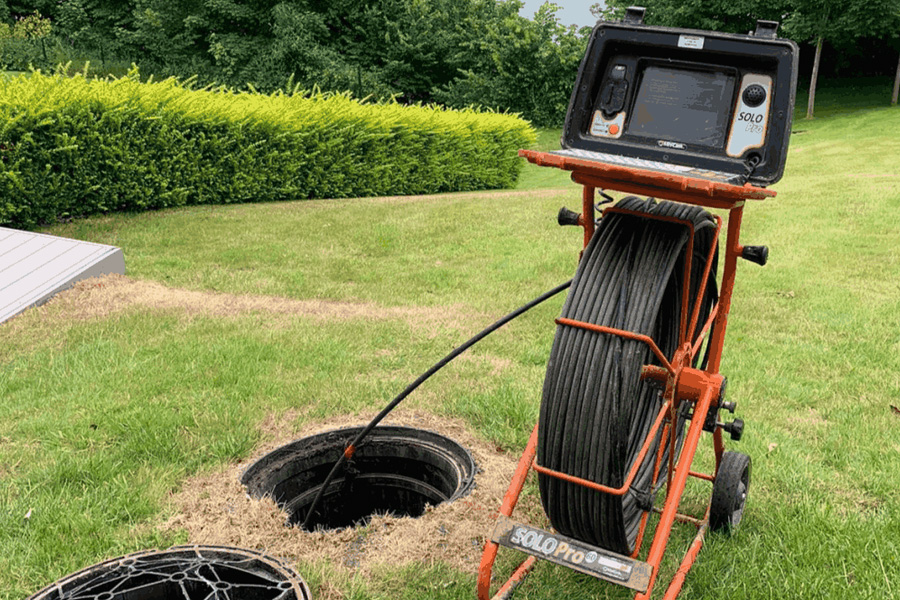
Drainage problems are not always easy to diagnose. Water may drain slowly, unpleasant smells may appear without warning, or a blockage may return soon after the pipe has been cleared. These symptoms show that something is wrong, but they do not reveal what is happening below ground.
Excavating pipework without knowing the location or cause of a fault can create unnecessary disruption and expense. A CCTV drain survey provides a clearer way to investigate. By feeding a specialist camera through the drainage system, an engineer can inspect the inside of the pipes and identify problems that cannot be seen from the surface.
Professional CCTV drain surveys can help homeowners understand the condition of their drains, find the cause of recurring issues and make informed decisions about any cleaning or repair work.
How does a CCTV drain survey work?
A CCTV drain survey involves inserting a flexible camera into the drainage system through a suitable access point. As the camera travels along the pipework, it records footage of the interior and sends images back to the engineer.
This allows the engineer to look for obstructions, damage and structural defects without digging up the surrounding ground. The equipment can inspect sections of pipe that would otherwise be difficult to reach or assess.
Before the inspection begins, the engineer may need to clear heavy debris or standing waste that could prevent the camera from travelling through the pipe. Once access is available, the camera can be guided through the system and the footage reviewed.
The findings can then be used to explain the problem, locate the affected section and recommend an appropriate response.
What problems can a drain camera identify?
Drainage pipes can develop several faults as they age. Some cause an immediate blockage, while others gradually reduce the pipe’s capacity or allow water to escape into the surrounding ground.
A CCTV survey may identify:
- Cracked, fractured or collapsed pipes
- Tree root intrusion
- Fat, oil, grease or scale deposits
- Displaced pipe joints
- Objects trapped in the drainage system
- Corrosion or deterioration
- Poorly connected pipework
- Sections of pipe with inadequate flow
- Evidence of previous repairs
- Rodent entry points
The footage can also help distinguish between a local obstruction and a more serious structural fault. This matters because repeatedly clearing a damaged pipe may only provide temporary relief. If a displaced joint or root intrusion is causing the blockage, the underlying defect will still need attention.
When should you arrange a survey?
A single, straightforward blockage may be resolved through drain cleaning. Further investigation is sensible when the same issue keeps returning or when the source of the problem is unclear.
Recurring blockages are a common reason to arrange a CCTV drain survey. If a drain works normally after cleaning but blocks again within a short period, there may be a defect that is catching waste or restricting the flow of water.
Other warning signs include slow-draining sinks or toilets, unpleasant smells, gurgling noises, wastewater backing up into the property and damp ground close to the drainage route. An unexplained increase in drainage problems across several fixtures may also suggest an issue within a shared section of pipework.
A survey can also be useful before repair work begins. Locating the damaged section reduces unnecessary excavation and helps the contractor plan the right method of repair.
CCTV surveys when buying a property
A standard property survey does not usually include a detailed inspection of underground drains. This means a buyer could complete a purchase without knowing that the property has damaged, poorly connected or ageing pipework.
A pre-purchase drain survey can provide more information about the condition of the drainage system before contracts are exchanged. The inspection may reveal faults that could lead to future repair costs, including cracks, root intrusion or collapsed sections.
The results can help buyers decide if further investigation is needed. They may also provide useful evidence when discussing repair responsibilities or the purchase price.
Older properties can benefit from this type of inspection, especially if the drains are made from traditional materials or if mature trees are growing near the pipe route. However, newer properties are not automatically free from drainage defects. Poor installation, ground movement and accidental damage can affect pipework of any age.
Can a CCTV survey help with drainage repairs?
Accurate diagnosis makes it easier to choose a suitable repair. Without camera footage, decisions may be based only on symptoms, which can lead to work being carried out in the wrong place or failing to resolve the cause.
Once a defect has been identified, the engineer can assess its position, size and severity. Some pipes can be repaired using no-dig methods, such as drain lining or a localised patch. More extensive damage may require excavation and replacement.
The survey findings also help avoid treating every problem in the same way. A blockage caused by grease deposits may need thorough cleaning, while root intrusion could require cutting followed by a repair to the affected pipe. A collapsed drain is likely to need a different approach again.
CCTV equipment can be used after repairs to check the finished work and confirm that the pipe is clear. This gives the property owner a visual record of the drainage system following the repair.
What information should the survey provide?
The level of information supplied can vary depending on the reason for the inspection. A basic investigation may focus on finding the source of an active problem. A more detailed condition survey may include recorded footage, photographs, written findings and recommendations.
The results should explain what was found in clear language. Property owners need to understand the condition of the pipework, the location of any defects and what work may be required.
A good survey should also separate urgent problems from issues that can be monitored or addressed through planned maintenance. Not every visible mark inside a drain requires immediate repair. The engineer’s assessment provides context and helps the customer decide what to do next.
Choosing an experienced drainage company
The camera is only one part of the investigation. The footage must be reviewed by someone who understands drainage systems and can recognise the difference between a minor imperfection and a fault that is likely to cause further problems.
An experienced drainage company can inspect the system, explain the findings and recommend cleaning, repair or maintenance based on the evidence collected. DASA has more than 40 years of drainage industry experience and provides residential and commercial drainage services through a nationwide network of local engineers. Visit the DASA website to learn more or arrange an inspection of your drainage system.