



Maximize Savings with Professional Energy-Efficient Heat Pump Services

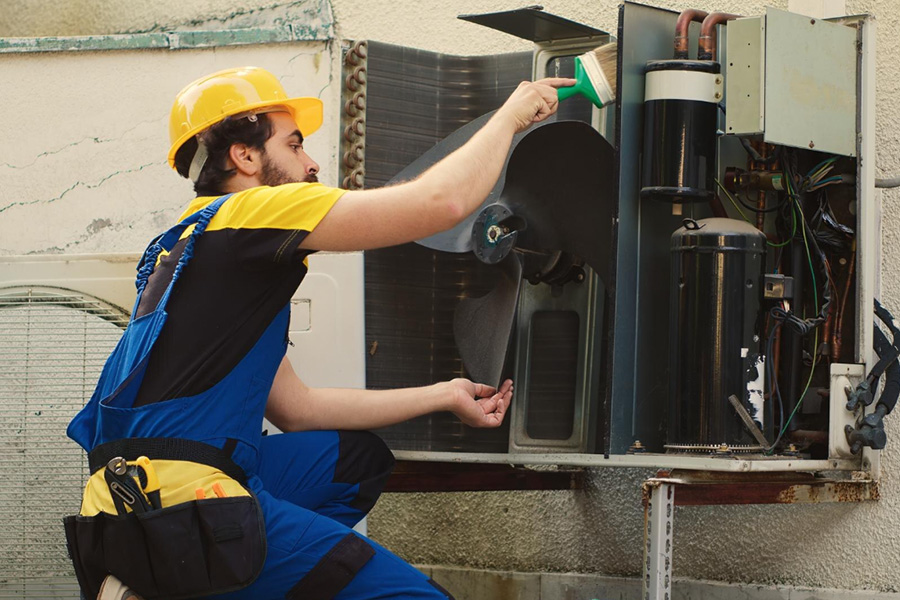
As homeowners look for practical ways to manage heating costs without sacrificing comfort, heat pumps have become an increasingly attractive option. Choosing professional energy-efficient heat pump services can make a meaningful difference in how effectively a system heats and cools a home, especially when installation, maintenance, and sizing are handled correctly.
A heat pump does more than simply produce heat. It transfers heat from one place to another, allowing the same system to provide heating and cooling in many homes. Understanding how these systems work and what professional service involves can help homeowners make better decisions and avoid unnecessary energy waste.
How Heat Pumps Help Reduce Energy Use
Unlike traditional heating equipment that generates heat by burning fuel or using electrical resistance, a heat pump primarily moves existing heat. In heating mode, an air-source heat pump extracts heat from outdoor air and transfers it indoors. In warmer months, the process reverses to move heat out of the home.
This transfer-based approach can be highly efficient because electricity powers the compressor, fans, and other components involved in moving heat rather than directly creating all of the heat.
However, efficiency depends on more than the equipment itself. A properly sized system, suitable installation, adequate airflow, and regular maintenance all affect how well a heat pump performs.
What Professional Energy-Efficient Heat Pump Services Include
Professional service covers much more than installing a new unit. A qualified HVAC technician can evaluate the home, determine the appropriate equipment, and keep the system operating properly over its useful life.
Depending on the homeowner’s needs, services may include:
- Heat pump installation and replacement
- System sizing and equipment selection
- Routine inspections and preventive maintenance
- Airflow and thermostat checks
- Refrigerant and electrical component inspections
- Troubleshooting unusual noises or performance problems
- Repairing worn or malfunctioning components
- Seasonal preparation for heating and cooling
Professional attention is particularly important during installation. An incorrectly sized heat pump may cycle too frequently, struggle to maintain indoor temperatures, or operate less efficiently than expected. Proper sizing considers factors such as the home’s layout, insulation, windows, climate, and heating and cooling requirements.
Why Proper Installation Matters for Long-Term Savings
Even a high-efficiency heat pump can perform poorly when it is installed incorrectly. Poor airflow, improper refrigerant levels, inadequate electrical connections, or unsuitable placement can affect comfort and system performance.
A professional installer can also help determine whether existing ductwork is suitable for the new equipment. In homes with ductless systems, technicians can assess indoor unit placement to support effective air distribution.
The goal is not simply to install equipment that meets a specification. It is to create a heating and cooling system that matches the home’s actual needs.
Maintenance Keeps Efficiency From Slipping
Like other mechanical equipment, heat pumps need regular attention. Dirt and restricted airflow can make the system work harder, while worn components can eventually affect reliability and comfort.
Homeowners can handle a few basic tasks themselves. Keeping outdoor units clear of leaves, grass, and other debris can help maintain airflow. Indoor filters should also be checked and replaced or cleaned according to the manufacturer’s recommendations.
Professional maintenance goes further by examining components that are not practical for homeowners to inspect. A technician can check electrical connections, system operation, airflow, refrigerant-related issues, and other components that influence performance.
Scheduling maintenance before periods of heavy heating or cooling demand can also make it easier to identify potential problems before they become disruptive.
Signs Your Heat Pump May Need Professional Attention
A heat pump does not always stop working completely when something goes wrong. Changes in performance can appear gradually.
Watch for signs such as:
- Rooms becoming difficult to keep at the desired temperature
- Unusual or persistent noises
- Reduced airflow from indoor vents
- Frequent or unusually long operating cycles
- Unexpected increases in energy consumption
- Ice buildup that does not clear as expected
- A system that repeatedly switches between heating and cooling
Some of these symptoms can have simple explanations, while others may indicate mechanical, electrical, or refrigerant-related problems. Prompt professional diagnosis can prevent a minor issue from developing into a more expensive repair.
How Homeowners Can Get More From a Heat Pump
Professional service is only part of the efficiency equation. Everyday operating habits also influence how much energy a system uses.
Avoid making large thermostat changes repeatedly throughout the day. Instead, use a consistent temperature setting that provides comfort without forcing the system to make frequent, substantial adjustments.
It is also worth addressing the home itself. Air leaks around doors and windows, inadequate insulation, and blocked vents can make efficient heating more difficult. Improving the building envelope can reduce the amount of heating or cooling the home requires.
When replacing an older heat pump, ask the HVAC professional to explain the available equipment options rather than selecting a system based solely on the highest efficiency rating. The right choice depends on climate, home characteristics, expected usage, budget, and compatibility with the existing HVAC setup.
Common Heat Pump Mistakes to Avoid
One of the most common mistakes is choosing equipment based only on its advertised efficiency. A system that is highly efficient on paper may not deliver the expected results if it is poorly sized or installed.
Another mistake is waiting until a system fails completely before arranging service. Small performance changes can sometimes provide an early warning that a component needs attention.
Homeowners should also avoid attempting complex repairs without the necessary training. Heat pumps contain electrical and refrigeration components that require appropriate knowledge and equipment to service safely.
When to Consider Heat Pump Replacement
Repair is often sensible when a heat pump has a manageable problem and otherwise performs reliably. Replacement may become more practical when an older system experiences repeated breakdowns, struggles to maintain comfort, or has reached the end of its expected service life.
If replacement is being considered, compare the full picture rather than focusing only on the purchase price. Equipment efficiency, installation quality, expected operating needs, maintenance requirements, and the condition of existing ductwork or electrical infrastructure can all influence the long-term value of the investment.
A professional evaluation can help determine whether repair, replacement, or another heating and cooling approach makes the most sense.
Conclusion
An efficient heat pump can provide dependable heating and cooling while using energy differently from conventional heating systems. But equipment alone does not guarantee efficient operation. Correct sizing, quality installation, regular maintenance, and sensible household practices all play important roles.
For homeowners considering a new system or trying to improve the performance of an existing one, professional service can provide the expertise needed to make informed decisions. The best approach is to look beyond the equipment label and consider how the entire system works within the home.