




7 Smart Steps to Take After Unexpected Property Damage

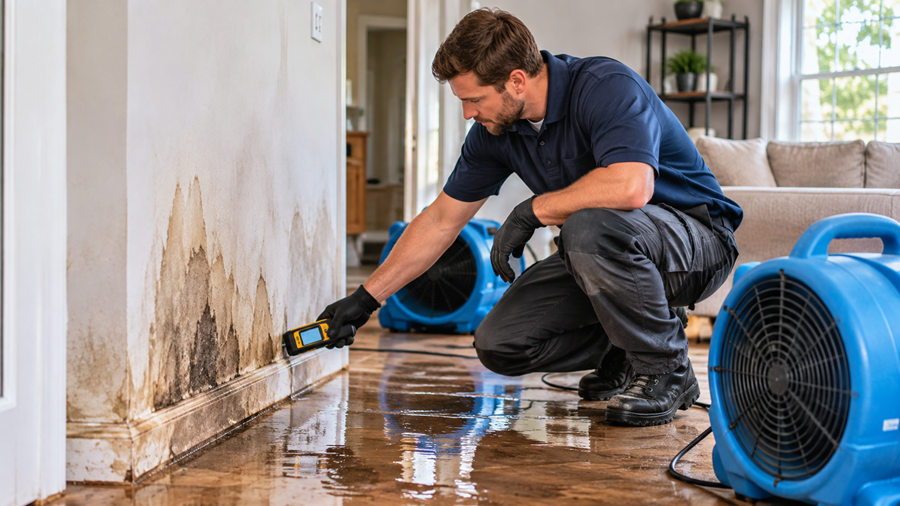
Property damage rarely happens at a convenient time. A burst pipe, fire, severe storm, or unexpected moisture problem can quickly leave a homeowner deciding what to protect, what to document, and what needs professional attention.
Making thoughtful decisions early can help keep an already difficult situation from becoming more complicated. Rather than rushing directly into repairs, work through the problem in a logical order.
1. Make Safety Your First Decision
Before thinking about cleanup, determine whether the property is safe to enter.
Water may be near electrical systems, fire can weaken building materials, and storm damage can leave roofs, ceilings, windows, or exterior structures unstable. Smoke, contaminated water, or damaged materials can also create conditions that should not be handled casually.
If there is any uncertainty about structural stability, electricity, fire hazards, or other immediate dangers, stay clear of the affected area until it has been evaluated appropriately.
Protecting belongings is important, but personal safety comes first.
2. Prevent Additional Damage Where It Is Safe to Do So
Once immediate hazards have been addressed, focus on preventing the problem from spreading.
Depending on the situation, that might mean shutting off a water source, moving undamaged belongings away from an affected room, placing a temporary covering over an opening, or keeping people out of contaminated areas.
The important distinction is between reasonable damage control and attempting a full cleanup yourself.
Removing obvious standing water from a minor spill is very different from opening walls, handling fire residue, disturbing suspected mold growth, or attempting structural repairs. Aggressive cleanup can sometimes erase evidence of the original loss or expose damage that requires specialized handling.
3. Document the Condition Before Major Cleanup
Take clear photographs and videos of the affected areas before belongings are discarded or significant cleanup begins, provided it is safe to do so.
Capture both wide views and close-up details. Photograph damaged floors, walls, ceilings, furniture, appliances, fixtures, and other affected property.
It can also help to create a simple written timeline describing what happened and when you discovered the damage.
Keep receipts related to emergency measures, temporary accommodations, supplies, or repairs. If an insurance claim becomes part of the recovery process, having organized records can make it easier to explain what occurred and what work was required.
4. Know When Professional Restoration Is Appropriate
Some property problems extend beyond what can be seen on the surface.
Water can reach flooring systems, insulation, wall cavities, and other concealed areas. Fire can leave smoke residue and odors beyond the room where the flames occurred. Storm damage may involve both exterior repairs and interior moisture. Cleanup may also reveal materials that need to be removed and reconstructed.
For that reason, homeowners comparing options for Long Island property damage restoration should consider whether a provider can evaluate the complete scope of the loss rather than focusing only on the most visible damage.
Ask what the assessment includes, how affected areas will be documented, what measures will be used to contain additional damage, and whether repairs or reconstruction may be required after cleanup.
Understanding the entire process early can reduce confusion between the emergency phase and the eventual repair phase.
5. Avoid Treating Cleanup and Reconstruction as the Same Job
Stopping active damage is only one part of property recovery.
A room may be dry but still need damaged drywall replaced. Fire residue may be removed while cabinets, flooring, or framing still require repair. Mold remediation may involve removing affected materials that later need to be rebuilt.
Ask for clarity about where mitigation ends and permanent repairs begin.
Before reconstruction starts, understand which materials will be repaired, which will be replaced, and whether additional damage could become visible once affected finishes are removed.
This makes it easier to compare estimates and avoid assuming that an initial cleanup automatically returns the property to its previous condition.
6. Keep Important Information in One Place
Property restoration can involve contractors, insurance representatives, estimates, photographs, receipts, schedules, and material selections.
Create one folder—digital, physical, or both—for everything associated with the incident.
Save photographs, written estimates, invoices, correspondence, claim information, and notes from conversations. After a phone call, write down the date, who you spoke with, and any decisions that were made.
Good organization will not repair the property, but it can make a complicated process much easier to manage.
7. Inspect the Finished Work Before Closing the Project
Recovery should not end simply because the visible repairs are finished.
Walk through the property carefully. Look at repaired walls, floors, trim, cabinetry, doors, and other affected areas. Ask questions about anything that appears incomplete or differs from the agreed scope.
Also keep important project documents after the work is complete. Records of repairs can be useful later if questions arise about the property or the work that was performed.
Conclusion
The period immediately after property damage can feel chaotic, but recovery becomes more manageable when decisions are made in the right order.
Start with safety, limit additional damage where possible, document the loss thoroughly, understand when specialized restoration is needed, and distinguish emergency cleanup from permanent reconstruction.
A careful, documented approach helps property owners move from the initial incident toward a completed repair without overlooking important steps along the way.