





Landscaping in Temple, TX: Top Design Ideas for Beautiful, Low-Maintenance Central Texas Homes

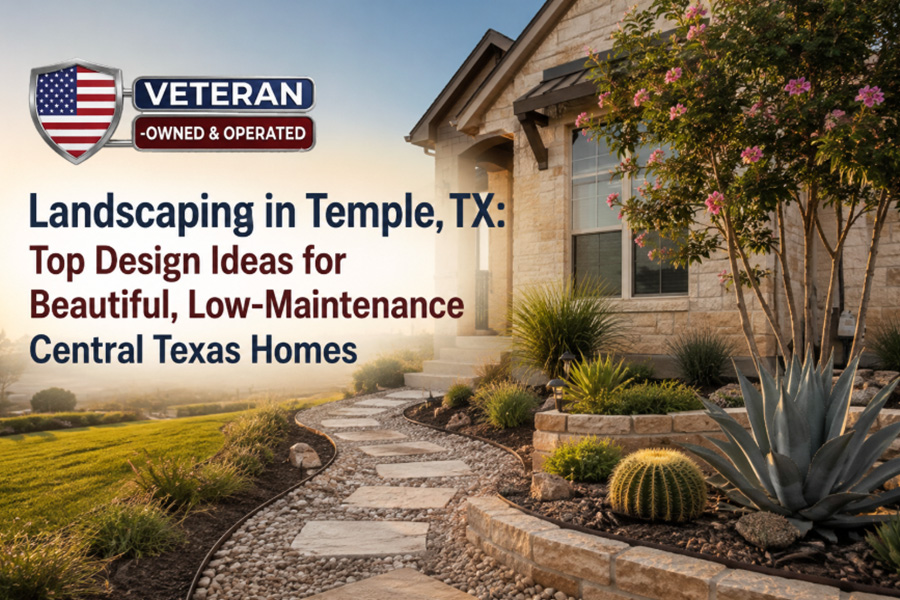
A landscape should look good without feeling like an endless duty. In Temple, Texas, that means selecting heat-hardy plants, choosing materials, and designing layouts that can handle hot summers, droughts, heavy rains, and climate fluctuations.
With the right design, you can not only make your house more comfortable, but also improve its curb appeal. Fortunately, it responds well to a few smart decisions, whether you are starting with a blank yard or redoing an existing one.
These landscaping ideas for homes in Temple, TX are quite applicable.
1. Choose Native and Texas-Friendly Plants
The healthiest yard starts with plants that suit the climate and their natural habitat.
Native and more adapted plants are usually well suited to Central Texas conditions. They tend to survive hotter weather and dry periods better than other plants that prefer cooler, wetter conditions.
Consider adding:
- Texas sage
- Black-eyed Susan
- Mexican plum
- Yaupon holly
- Lantana
- Ornamental grasses
- Salvia varieties
As before, when selecting plants, always consider your soil type, the amount of sunlight your property receives, and access to water. A full sun plant may be difficult to grow in the shaded corner of its very same yard.
2. Create a Drought-Tolerant Landscape
Water can be a scarce commodity these days, and this is an important concern for many homeowners in Texas. Your drought-tolerant landscape can save water and still look good.
Instead of treating your yard to an entire carpet of thirsty turf, try integrating lawn areas with native vegetation, trees, mulch, and hardscaping.
Water directly to the plant roots; drip irrigation does too. This helps reduce water waste compared to spraying entire areas.
A properly planned landscape does not need to be dry or sparse. By using plants of varying height, texture, and bloom time, you can introduce lots of visual interest.
3. Selectively Planted Trees to Add Shade
Outdoor spaces in the Texas summer can be hotter than you wish they were. Trees provide important shade and structure to the landscape.
You can keep your trees well-maintained by placing them wisely around patios, walkways, and areas where the family spends time outdoors. Deciduous trees provide summer shade and more sun during cooler months.
However, tree placement matters. Do not plant large trees close to underground lines, foundations, paved surfaces, or structures. Think about the size of your tree when fully grown, not for its size at the time you have just planted it.
Choosing species and locations is a job for someone trained in landscaping.
4. Define Outdoor Spaces with Hardscaping
Landscaping isn’t limited to plants.
Hardscaping will allow you to shape your yard and create usable areas for recreational or entertaining purposes. The most common ones are patios, walkways, retaining walls, stone borders, and seating areas.
When designing for a Temple home, choose materials that complement the building’s architecture. Natural stone, concrete, brick, and pavers work well if you choose wisely and install them correctly.
Hardscape can also divide sections of your yard. A paved surface can also connect different points on your property, such as a walkway from the driveway to the front door, or a patio to create an area devoted to outdoor living.
5. Build a Texas-Friendly Front Yard
Usually, the front yard is the first place people see at your property. However, attractive does not have to be complex.
The classic design is just grass with a few flowering plants, shrubs, trees, and decorative mulch.
Try creating layers:
- Use low plants along walkways.
- Place medium-height bushes at the base of your home.
- Position larger plants or small trees far-wards (the back).
- Mulch or stone beds demarcation of planting beds.
It adds depth without making the yard feel crowded.
6. Improve Drainage Before Planting
Rainfall in Central Texas can be extreme. Even a well-drained dry yard still has to deal with over half an inch of rain per hour.
Bad drainage can create pools of standing water around plants and foundations. It can also wash the soil and mulch away.
Observe natural water flow on your property before installing a new landscape. There are millions of approaches that may help you manage runoff, from grading and drainage channels to rain gardens with strategically placed plants.
When you have drainage issues, don’t cover them up with new landscaping. As with everything, fix the cause first to avoid costly issues later.
7. Apply Mulch to Shield Plant Beds
Simple things like mulch go a long way.
The nice layer of mulch retains soil moisture, suppresses weeds and regulates the temperature of plant roots. As it eventually decomposes, organic mulch can also add nutrients to the soil.
Don’t mound mulch directly against tree trunks, and avoid layers that are too deep. Proper application depends on the material and the landscape’s needs.
8. Create an Outdoor Living Area
People in Texas spend a lot of time outside because of the state’s weather, so why not build the yard for it?
From patios, to pergolas, lounging areas or even outdoor kitchens; home improvements can transform your backyard into a dream space unattainable in the most hopeless of external anchors.
In order to free up a decent status, do mixing:
- Shade
- Comfortable seating
- Low-maintenance plants
- Outdoor lighting
- A durable patio surface
- Easy access from the house
Even a small backyard can benefit from a well-defined outdoor living area!
9. Add Low-Voltage Landscape Lighting
While outdoor lighting can boost appearance and safety, it pays to schedule the lights after sunset.
Get lighting on walkways, near steps, and where people will gather outdoors. Accent lights can highlight trees, architectural features, or attractive planting beds.
Avoid over-lighting the property. Better to hire a few good fixtures than dozens of bright lights, which always create an unnatural effect.
Partnering with a Local Landscape Company
Each Temple property varies widely in soil, drainage, sunlight, and available space. The right design for one home will not necessarily suit another.
A local professional can evaluate your site and suggest plants and materials suited to your soil and conditions. When looking for a Landscaping Company Temple TX, choose one that is well-versed in Central Texan properties and can show examples of local work.
Also ask about plant warranties, irrigation services, maintenance plans, and expected maintenance for your proposed design.
Final Thoughts
The first step toward good landscaping in Temple, TX is working with the climate.
Select plants suited to Central Texas, prepare for drought and heavy rain, introduce shade carefully, and choose hardscape materials that withstand outdoor exposure. Without a doubt, plan the yard around how you really use your property.
The result can be a beautiful, functional, low-maintenance landscape across Texas seasons.