






Electrical Improvements Worth Considering for Modern Homes

Key Takeaways
- Electrical upgrades can improve safety, efficiency, and convenience.
- Older homes may benefit from rewiring and electrical system assessments.
- Additional power points can support modern appliance usage.
- Energy-efficient lighting can help reduce electricity consumption.
- A qualified HDB electrician or residential electrician can recommend suitable improvements based on household needs.
Introduction
Modern homes depend on electricity more than ever before, making the expertise of a residential electrician increasingly valuable. From kitchen appliances and entertainment systems to remote working equipment and smart devices, household electrical demand continues to increase. As a result, many homeowners are exploring electrical improvements that can support current and future requirements. Investing in practical upgrades can improve safety, reduce potential electrical issues, and make everyday living more convenient. Whether a property is newly renovated or several years old, there are several electrical improvements worth considering today.
Upgrading Outdated Electrical Wiring
Electrical wiring forms the foundation of every home’s electrical system. Older wiring may not have been designed to support the number of appliances and electronic devices commonly used today. As electrical demand grows, ageing wiring can become less efficient and may increase the likelihood of electrical faults. Common warning signs include flickering lights, frequently tripped circuit breakers, warm power outlets, and unexplained power interruptions. Upgrading outdated wiring can help improve system reliability while ensuring the electrical installation meets current requirements. An experienced HDB electrician can assess the condition of existing wiring and determine whether upgrades are necessary.
Adding More Power Points
Many households rely heavily on extension cords and multi-plug adaptors because there are not enough power outlets in convenient locations. While these accessories can provide temporary solutions, they are not always ideal for long-term use. Installing additional power points can help distribute electrical loads more effectively while improving convenience throughout the home. Home offices, entertainment areas, kitchens, and bedrooms are common locations where extra outlets can provide practical benefits. A residential electrician can recommend suitable outlet placements based on household usage patterns and ensure the installation is completed safely.
Switching to Energy-Efficient Lighting
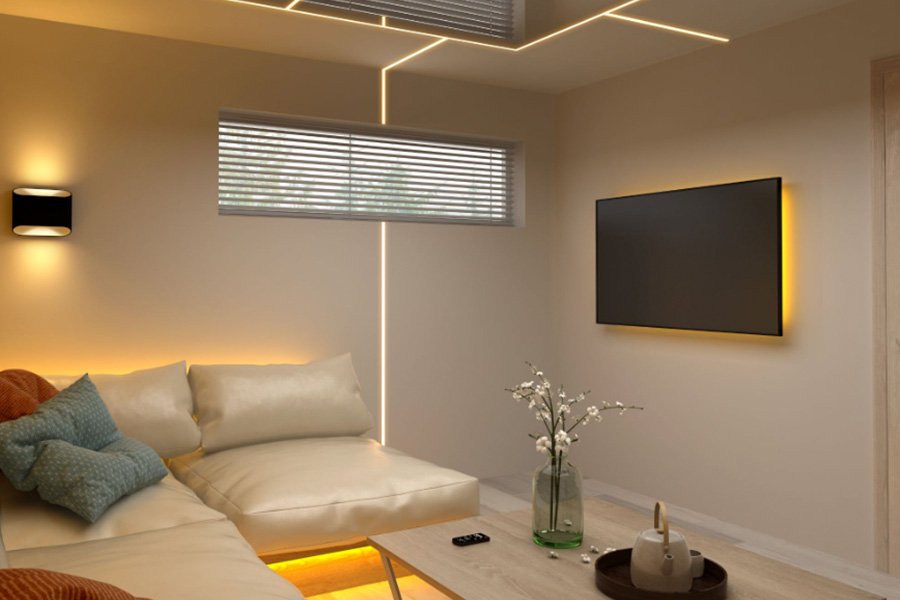
Lighting upgrades remain one of the most straightforward ways to improve energy efficiency. LED lighting consumes significantly less electricity than many traditional lighting options while providing a longer operational lifespan. Replacing older fixtures with LED alternatives can help lower energy consumption and reduce maintenance requirements. Homeowners may also consider installing dimmer switches, motion sensors, or programmable lighting controls to manage electricity usage more effectively. These improvements provide greater flexibility while helping households adapt lighting levels according to different activities and times of day.
Preparing for Smart Home Features
Smart home technology has become increasingly common in residential properties. Automated lighting systems, smart switches, security cameras, and remote-controlled appliances often require suitable electrical infrastructure to operate efficiently. Planning for these technologies before installation can help avoid future modifications and minimise disruption. Electrical improvements such as dedicated circuits, upgraded switchboards, and improved cabling arrangements can support future smart home expansion. Homeowners who are considering technology upgrades may benefit from discussing long-term electrical requirements with a professional electrician during renovation or maintenance projects.
Improving Electrical Safety
Safety remains one of the most important reasons for upgrading an electrical system. Modern safety devices can provide additional protection against electrical faults and reduce the risk of accidents. Replacing damaged outlets, upgrading circuit breakers, and installing residual current devices can strengthen household electrical safety. Regular inspections can also identify hidden issues before they develop into more costly repairs. Preventive upgrades often provide long-term value by reducing the likelihood of electrical disruptions and unexpected maintenance requirements.
Conclusion
Electrical improvements can help homes remain safe, efficient, and capable of supporting modern lifestyles. Upgrading wiring, installing additional power points, improving lighting systems, preparing for smart technologies, and enhancing safety features are practical investments that can deliver long-term benefits. By consulting a qualified HDB electrician or residential electrician, homeowners can identify the upgrades that best suit their property’s needs and ensure all work is completed according to current electrical standards.
Reach out to 81 Electrical to enhance the safety, efficiency, and long-term functionality of your electrical system.