




A Complete Guide to Koi Pond Filtration

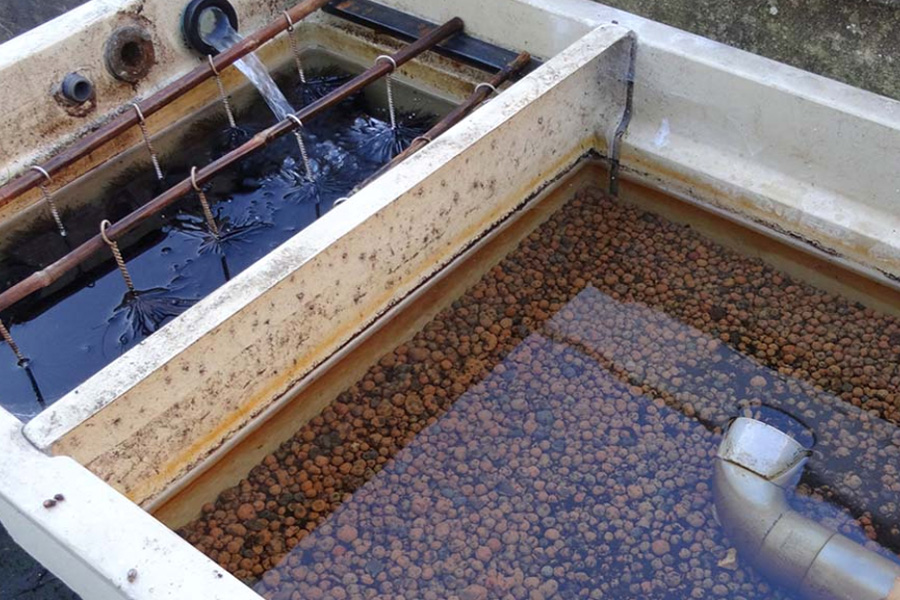
Koi are beautiful and graceful fish, but they can also produce a large amount of waste. That is why having an efficient pond filtration system is essential for maintaining clean, healthy, and crystal-clear water.
A reliable filtration system helps remove harmful bacteria, algae, fish waste, and other contaminants from the pond water. This keeps your koi healthy while improving the overall appearance and balance of your pond ecosystem.
Types of Koi Pond Filters
There are three main types of koi pond filters: mechanical filtration, biological filtration, and ultraviolet filtration.
Mechanical filters remove large particles from the water, including fish waste, uneaten food, leaves, and debris. These filters act as the first stage of pond filtration and help maintain clear water conditions.
Biological filters remove harmful bacteria and microorganisms from the pond by providing a surface where beneficial bacteria can grow. These helpful bacteria break down ammonia and other toxic substances into safer compounds, improving overall water quality.
Ultraviolet filters use ultraviolet light to eliminate algae and microscopic organisms in the water. This helps prevent algae blooms that can make pond water cloudy and reduce visibility.
Choosing the Right Filter for Your Koi Pond
The ideal filtration system for a koi pond depends on several factors, including pond size, fish population, and local climate conditions. Most koi ponds benefit from using a combination of mechanical, biological, and ultraviolet filtration systems.
For example, a small pond with only a few koi may only require a simple mechanical filter. Larger ponds with more fish typically need a more advanced filtration setup that includes biological and ultraviolet filtration for better water management.
Setting Up Your Koi Pond Filter
Once you have selected the right pond filter, proper installation is important for maximum efficiency. The following tips can help you set up an effective koi pond filtration system:
Choose a filter that matches the size and water volume of your pond. The filtration system should be powerful enough to support both the pond capacity and the number of koi.
Place the filter in a shaded area protected from direct sunlight and strong winds. This helps improve filtration performance and extends the lifespan of the equipment.
Install the filtration system according to the manufacturer’s instructions. Proper installation ensures the filter operates correctly and efficiently.
Backwash the filter regularly to remove trapped debris and maintain proper performance. Backwashing flushes the filter media with clean water, helping prevent clogs and buildup.
Maintaining Your Koi Pond Filter
Regular maintenance is essential for keeping your koi pond filtration system working effectively. Here are some helpful maintenance tips:
Backwash the filter regularly according to the manufacturer’s recommendations. Routine backwashing helps remove debris and keeps the filter functioning properly.
Clean or replace the filter media as needed. Over time, filter media can become clogged and may need maintenance or replacement to maintain water quality.
Inspect the filter pump regularly to ensure it is operating correctly. A properly functioning pump is critical for circulating water through the filtration system.
Monitor your pond water quality consistently and adjust the filtration system when necessary. Proper water parameters are important for maintaining healthy koi and a balanced pond environment.
Conclusion
By following these filtration and maintenance tips, you can create a healthy koi pond environment with clean, clear water throughout the year.
Additional Tips
Use a pond filter that is properly rated for your pond size. This ensures the filtration system can effectively handle the water volume and fish load.
Position the filter close enough to the pond for convenient maintenance while still keeping it accessible for cleaning and servicing.
Install the filter in a way that allows easy access for backwashing and routine maintenance procedures.
Backwash the filter regularly following the recommended maintenance schedule. This helps maintain efficient filtration and prevents debris buildup.
Clean or replace filter media whenever necessary to keep the filtration system operating at peak performance.
Check the pond pump regularly to ensure it is circulating water effectively throughout the filtration system.