






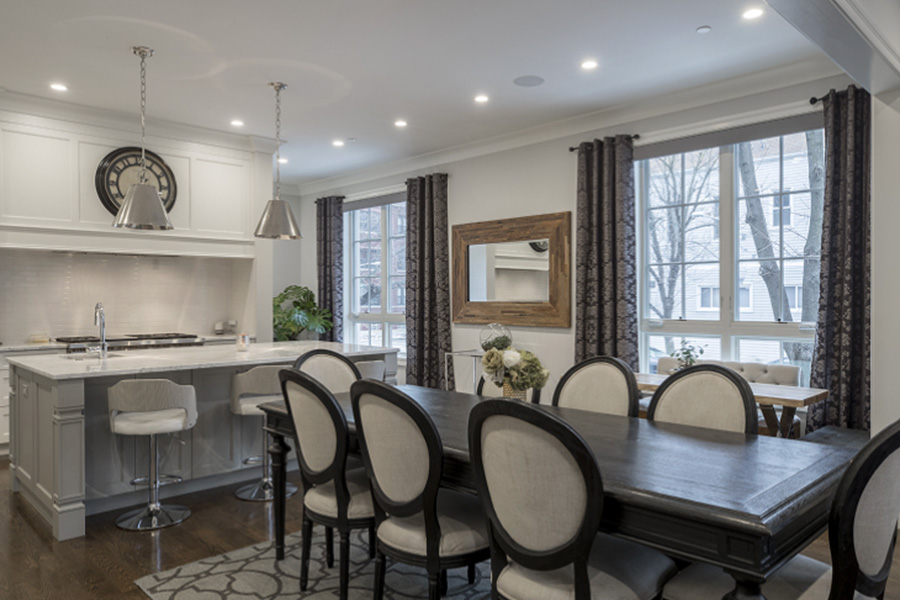
Lighting is not just about illumination. The colour temperature of a ceiling light directly affects how a space feels, how well tasks are performed, and how comfortable a home is over long periods of daily use. Many homeowners focus on brightness or fixture design, but overlook whether warm or cool lighting is more appropriate for their lifestyle. Knowing this distinction is critical when selecting ceiling lighting, especially in homes where rooms often serve multiple functions.
Learn how warm and cool lighting influence daily living, and why the choice matters more than most people realise.
Warm lighting typically falls within the 2700K to 3000K colour temperature range. It emits a soft yellow or amber tone that closely resembles traditional incandescent bulbs. This type of lighting in daily living environments is associated with relaxation and visual comfort rather than productivity.
Once used in ceiling light installations, warm lighting reduces harsh contrast and minimises glare. This quality makes it particularly suitable for living rooms, bedrooms, and dining areas where people spend extended periods winding down. Warm lighting helps the eyes relax after long workdays and supports natural circadian rhythms by limiting exposure to blue-toned light in the evening.
From a practical standpoint, warm ceiling lighting also softens surface finishes. Timber flooring, fabric upholstery, and skin tones appear more natural under warm light. This quality is one reason interior designers often recommend warm lighting for residential settings. A well-established lighting shop will usually suggest warm ceiling lights for private spaces where comfort and ambience take priority over precision.
However, warm lighting has limitations. It can reduce perceived sharpness and make detailed tasks more difficult. In spaces where accuracy matters, such as kitchens or study areas, warm lighting alone may feel insufficient.
Cool lighting generally ranges from 4000K to 6500K and produces a neutral to bluish-white tone. This type of lighting is commonly associated with commercial and task-oriented environments due to its clarity and brightness.
Cool lighting, in a ceiling light context, enhances visibility and improves contrast. It makes text easier to read, colours appear more accurate, and fine details stand out. This characteristic is particularly beneficial in kitchens, home offices, study rooms, and bathrooms where daily tasks require precision and alertness.
Cool lighting also helps reduce eye strain during focused activities when used correctly. Cool ceiling lighting in spaces with limited natural light can simulate daylight and prevent rooms from feeling dim or enclosed. Many homeowners shopping for lighting underestimate how much colour temperature affects perceived cleanliness and organisation in a space.
That said, excessive use of cool lighting in living areas can feel clinical and uncomfortable over time. Prolonged exposure, especially in the evening, may interfere with rest and relaxation. This instance is why experienced lighting specialists rarely recommend cool lighting throughout an entire home without zoning or layering.
The most effective lighting strategy is not choosing between warm and cool lighting, but understanding where each works best. Ceiling lighting should support how a space is used daily, not just how it looks at first glance. Bedrooms benefit from warm lighting, workspaces perform better with cooler tones, and shared areas may require a layered approach.
A professional lighting shop in Singapore can assess room size, ceiling height, natural light exposure, and usage patterns before recommending a ceiling light colour temperature. This approach prevents common mistakes such as over-lighting, visual fatigue, or mismatched ambience.
Warm and cool lighting serve different purposes, and neither is universally better. The effectiveness of ceiling lighting depends on how well the colour temperature aligns with daily activities and long-term comfort. Homeowners can make lighting decisions that genuinely improve how they live in their spaces, rather than simply following trends or assumptions, by understanding these differences and seeking informed advice.
Contact Light Avenue to receive lighting guidance based on how you actually live, work, and rest at home.