




Signs Your Business Needs Emergency Commercial HVAC Service

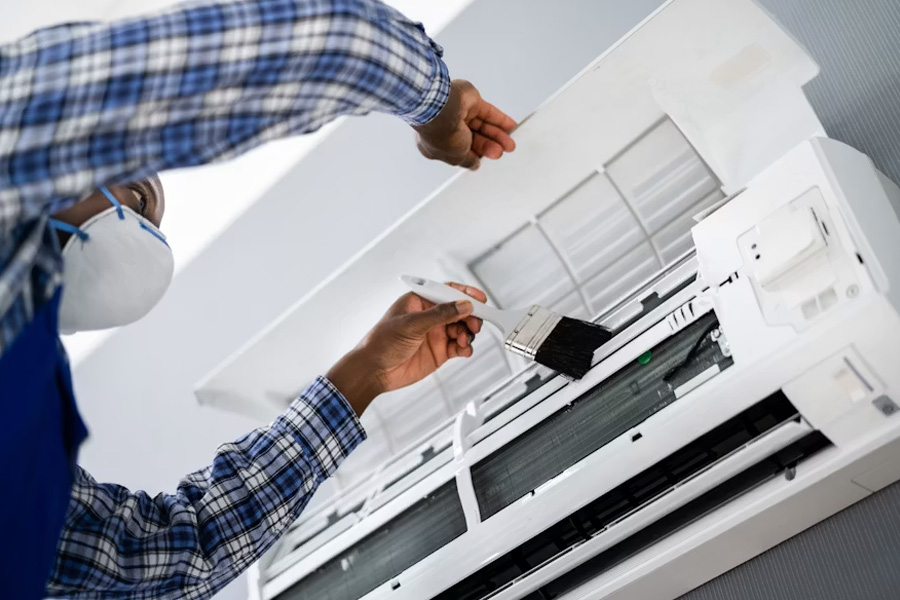
A reliable HVAC system is essential for maintaining a comfortable, productive, and safe commercial environment. Whether operating an office, retail store, restaurant, warehouse, or healthcare facility, businesses depend on consistent heating and cooling to support employees, customers, equipment, and indoor air quality. When commercial HVAC systems begin failing unexpectedly, the impact can quickly affect operations, energy efficiency, and customer satisfaction if immediate action is not taken.
Unexpected HVAC breakdowns often force business owners to seek commercial HVAC service when indoor temperatures become uncomfortable, airflow weakens, or equipment stops functioning properly. Emergency HVAC support helps businesses restore climate control quickly while protecting sensitive equipment, maintaining employee productivity, and preserving a professional environment. Recognizing early warning signs allows companies to reduce downtime and avoid expensive system failures during peak operating hours.
Uneven Temperatures Throughout the Building
One of the first signs of commercial HVAC trouble is inconsistent temperature control. Employees or customers may notice hot and cold spots in different parts of the building, even when the thermostat remains unchanged.
What Causes Uneven Heating or Cooling
Blocked ductwork, malfunctioning thermostats, failing compressors, dirty air filters, or airflow restrictions commonly create uneven indoor temperatures. Large commercial buildings are especially vulnerable because HVAC systems must manage multiple zones and varying occupancy levels throughout the day.
Ignoring uneven temperatures may place additional strain on HVAC components, increasing energy usage and accelerating system wear.
Rising Energy Bills Without Explanation
Sudden increases in utility costs often signal HVAC inefficiency. Commercial heating and cooling systems consume significant energy, so declining performance can quickly impact monthly operating expenses.
Why HVAC Inefficiency Increases Costs
Dirty coils, refrigerant leaks, worn motors, failing compressors, and airflow problems force systems to work harder to maintain desired temperatures. Older equipment may also lose efficiency over time, especially without regular preventative maintenance.
Many businesses schedule commercial HVAC service after noticing unexplained utility spikes combined with weaker cooling or heating performance. Professional diagnostics can identify failing components before a complete system breakdown occurs.
Weak Airflow Can Affect Comfort and Air Quality
Poor airflow is another major warning sign that should never be ignored in commercial properties. Employees and customers may notice rooms feeling stuffy, humid, or uncomfortable even when the system appears to be running.
Common Causes of Restricted Airflow
Clogged filters, damaged ductwork, blocked vents, failing blower motors, or dirty evaporator coils often reduce air circulation. Weak airflow may also contribute to indoor air quality problems by allowing dust, allergens, and airborne contaminants to accumulate inside the building.
Signs Your HVAC System Needs Immediate Attention:
- Weak airflow from vents
- Hot or cold spots indoors
- Loud operational noises
- Frequent cycling
- Increased humidity levels
- Sudden utility bill increases
Addressing these issues early can help businesses avoid larger repair costs.
Strange Noises Often Signal Mechanical Failure
Commercial HVAC systems naturally produce operational sounds, but loud or unusual noises frequently indicate internal damage.
Sounds That Should Not Be Ignored
Grinding noises may point to failing motor bearings, while banging sounds can indicate loose components or damaged fan blades. Buzzing may suggest electrical issues, and screeching often signals worn belts or airflow restrictions.
Mechanical issues rarely resolve without repairs. Delaying service may result in more extensive damage that disrupts daily business operations.
Poor Indoor Air Quality Can Affect Employees
Indoor air quality directly impacts employee health, customer comfort, and workplace productivity. HVAC issues often contribute to poor ventilation and airborne contaminant buildup.
How HVAC Problems Affect Air Quality
Dirty filters, mold inside ductwork, excess humidity, and poor airflow can increase allergens, dust, and unpleasant odors throughout the building. In commercial settings, poor air quality may contribute to headaches, respiratory irritation, and employee discomfort.
Maintaining healthy airflow and humidity control supports a more comfortable and productive workplace environment.
Refrigerant Leaks Reduce Cooling Efficiency
Refrigerant is essential for proper heat transfer and cooling performance. Leaks can significantly reduce HVAC efficiency while placing excessive strain on compressors.
Warning Signs of Refrigerant Problems
Frozen evaporator coils, hissing sounds, warm airflow, and extended cooling cycles may all indicate low refrigerant levels. Commercial systems operating with insufficient refrigerant often consume more energy while delivering inconsistent temperatures.
Preventative HVAC Maintenance Tips:
- Replace air filters regularly
- Schedule seasonal system inspections
- Clean condenser coils
- Monitor thermostat performance
- Inspect ductwork for leaks
- Address unusual noises immediately
Preventative maintenance reduces the risk of emergency commercial HVAC failures.
Frequent Cycling Indicates System Stress
Commercial HVAC systems should complete balanced heating and cooling cycles. Systems that turn on and off repeatedly may be experiencing operational problems.
Causes of Short Cycling
Thermostat malfunctions, oversized systems, airflow restrictions, refrigerant imbalances, or electrical problems commonly trigger frequent cycling. This issue increases wear on compressors, motors, and electrical components while reducing energy efficiency.
Ignoring short cycling can shorten equipment lifespan and increase the likelihood of emergency breakdowns during extreme weather conditions.
Water Leaks Around HVAC Equipment
Water pooling near HVAC units should always be investigated quickly. Excess moisture can damage flooring, walls, insulation, and nearby equipment.
Why HVAC Moisture Problems Matter
Blocked condensate drains, frozen evaporator coils, and damaged drain pans commonly cause water leaks. Excess moisture may also encourage mold growth, affecting indoor air quality and creating additional health concerns within commercial buildings.
Fast repairs help businesses avoid property damage and maintain safe working conditions.
Professional Emergency HVAC Service Protects Business Operations
Commercial HVAC emergencies can disrupt customer experiences, employee productivity, and equipment reliability. Prompt professional service helps restore normal operations quickly.
Benefits of Emergency Commercial HVAC Support:
- Faster system diagnosis
- Reduced operational downtime
- Improved indoor comfort
- Better energy efficiency
- Protection against equipment damage
- Enhanced indoor air quality
Experienced HVAC technicians can identify root causes quickly and recommend long-term solutions that improve overall system performance.
Conclusion
Commercial HVAC systems play a vital role in maintaining comfort, productivity, and energy efficiency within business environments. Uneven temperatures, weak airflow, rising utility bills, strange noises, refrigerant leaks, and indoor air quality concerns are all warning signs that require immediate attention. Emergency commercial HVAC service helps businesses reduce downtime, protect equipment, and maintain healthier indoor conditions. By recognizing early symptoms and prioritizing preventative HVAC maintenance, business owners can extend equipment lifespan, lower operating costs, and create a more comfortable environment for employees and customers year-round.