





The Boundary Detail Homeowners Only Notice After Spending More Time Outside

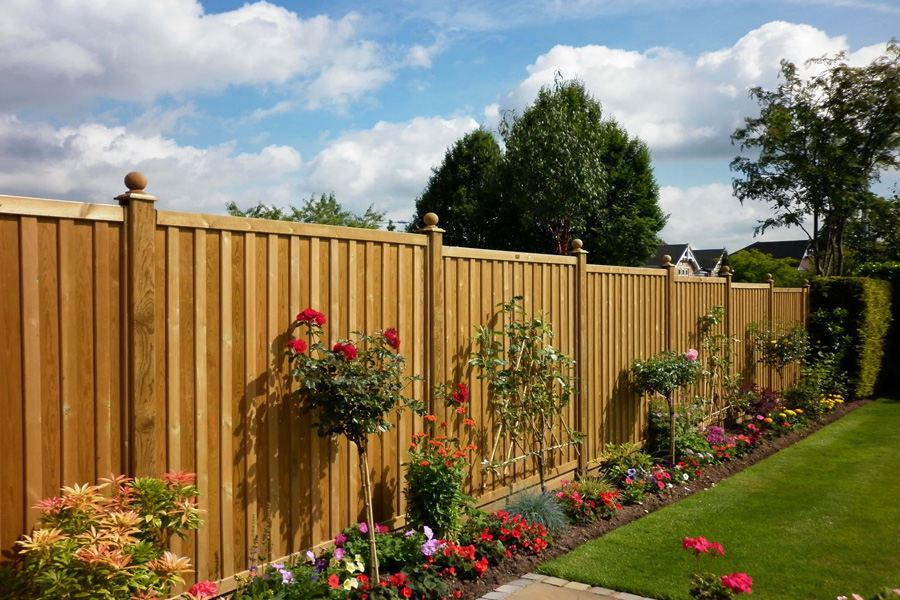
Most homeowners don’t think much about their fence until they start using the garden properly. It might be working from home on a sunny day, eating outside more often, or simply spending longer evenings outdoors. That is usually when the small details begin to stand out. Gaps that were never noticed. Slight movement in panels. A feeling of being overlooked that was never an issue before. That is why more people are now searching for fencing companies near me even when nothing has technically failed. Many begin by reviewing options through York Fencing to understand why their boundary no longer feels right, even though it is still standing.
After decades working as a fencing contractor across York, I can say this is one of the most common patterns I see. The fence has not suddenly changed. The way the garden is being used has.
Why increased garden use changes perception
One thing I see often on local jobs is homeowners describing how they use their garden now compared to a few years ago.
They sit outside more. They work outside when the weather allows. They use patios, decking, and seating areas regularly.
As time spent outdoors increases, awareness of the boundary increases with it.
A fence that seemed fine when viewed occasionally can feel very different when you are sitting next to it for hours at a time.
The subtle gaps that become obvious
Small gaps between boards or panels rarely stand out at first.
But when you are seated near the boundary, those gaps align with sight lines. You notice movement through them. You notice people passing behind them.
From experience, it is not always the size of the gap that matters. It is where it sits in relation to where you spend time.
Homeowners often describe this as suddenly feeling overlooked, even though nothing has physically changed overnight.
Why alignment matters more than expected
A fence does not have to be falling over to feel wrong.
Slight dips in the top line or small shifts between posts create uneven sight lines. Panels no longer sit square to each other.
I usually install posts at around 600mm to 750mm depth to keep the structure stable. Older fences are often shallower.
As posts move over time, alignment changes. It is subtle at first, but once noticed, it becomes hard to ignore.
The role of clay soil in gradual change
York’s clay soil plays a big part in this.
As it expands and contracts through the seasons, it pushes and pulls at fence posts.
This movement is slow. It does not cause immediate failure. Instead, it changes the position of panels over time.
Homeowners who spend more time in their gardens are simply more likely to notice these gradual changes.
Why privacy issues feel more immediate now
Privacy has become more important in recent years.
Working from home, increased outdoor use, and closer property layouts mean people are more aware of visibility.
A fence that once provided enough screening may no longer feel sufficient.
This is not always about height. It is often about gaps, angles, and consistency.
The difference between looking and living
There is a difference between looking at a garden and living in it.
When you view a garden briefly, the fence is part of the background.
When you spend time in it, the fence becomes part of your immediate environment.
That shift changes how problems are perceived.
Why repairs do not always solve the issue
Homeowners often consider repairs first.
Replacing a panel or fixing a section can help if the problem is isolated.
But if movement or gaps are spread across the boundary, repairs can leave the overall issue unchanged.
Homeowners often review fence repairs in York to understand whether repairs will restore consistency or simply improve one area.
The importance of consistent screening
Privacy depends on consistency.
A single section that is lower, thinner, or more open than the rest can affect the entire space.
I often see fences where one repair has created a mismatch in height or style.
From a distance, this may not stand out. When sitting nearby, it becomes obvious.
Why material choice affects perception
Different materials behave differently over time.
Lower grade timber can warp or shrink, creating new gaps. Panels may twist slightly.
Composite fencing cost is higher, but it maintains a consistent shape and appearance.
For homeowners who value a uniform look, this consistency makes a noticeable difference.
The influence of neighbouring properties
Changes in neighbouring properties often trigger these realisations.
Extensions, raised patios, or new windows can alter sight lines.
A fence that once worked well may no longer provide the same level of screening.
Homeowners often only become aware of this after spending more time outside.
Why seating areas reveal the real issues
Where you sit matters.
A fence may provide adequate privacy when standing but feel very different when seated.
Sight lines from neighbouring properties often align directly with seating height.
From years on site, I have learned that assessing a fence from the seating position reveals more than viewing it from a distance.
When replacement becomes the better option
If multiple sections show signs of movement or inconsistency, replacement often makes more sense than repair.
Replacing the entire run allows for consistent height, alignment, and material.
Homeowners exploring garden fencing installation in York often reach this point after trying smaller fixes.
The role of drainage in long term performance
Drainage affects how fences change over time.
If water collects around posts, soil softens. Movement increases.
Improving drainage during installation helps maintain alignment and reduce gaps.
This is one of the less visible but most important factors.
Why awareness is increasing in 2026
Homeowners are more aware of how their gardens function.
They use outdoor spaces more. They notice details more quickly.
This awareness leads to earlier action.
Fencing is no longer ignored until it fails. It is evaluated as part of the overall space.
How to assess your own fence properly
Spend time in your garden and look at the boundary from where you actually sit.
Check for gaps, alignment, and any movement in panels.
Pay attention to how the space feels rather than just how it looks.
These small observations often reveal larger issues.
Why this detail matters more than ever
From decades working across York, it is clear that the boundary detail homeowners only notice after spending more time outside is usually not dramatic.
It is the small gaps, slight movement, and subtle changes that affect how the garden feels.
Once noticed, these details rarely go unnoticed again. That is why more homeowners are choosing to address them properly rather than living with them.