


Smarter Ways to Maintain Exterior Features on Residential and Commercial Properties

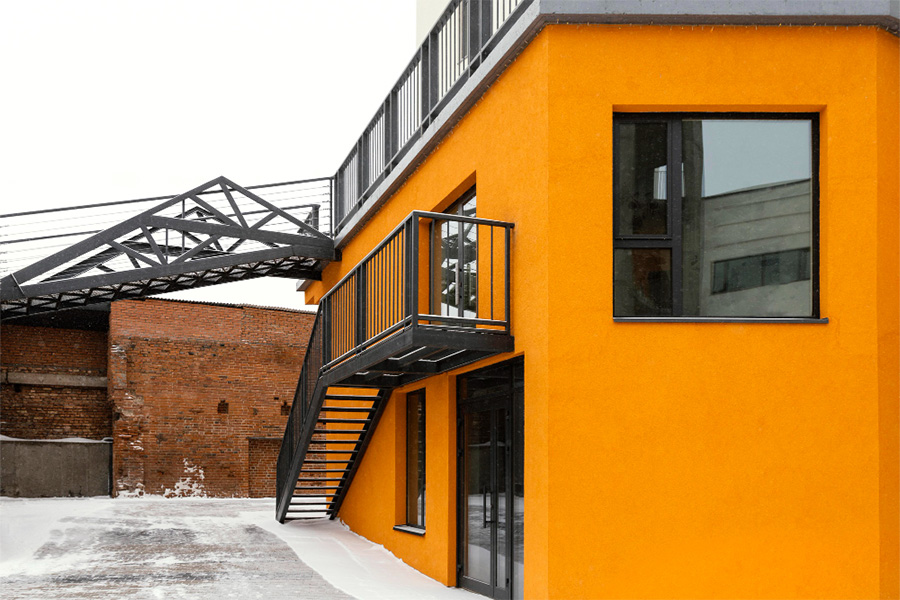
Keeping a building’s exterior in good condition is essential for both visual appeal and long-term performance. Whether it’s a family home, an apartment block or a commercial premises, external surfaces are constantly exposed to weather, pollution and everyday wear. Without the right maintenance strategy, even well-built properties can start to look dated and suffer avoidable deterioration.
Fortunately, maintaining exterior features no longer has to involve a cycle of frequent repainting or costly replacement. By understanding how and why surfaces degrade, property owners can choose solutions that are more durable, efficient and cost-effective over time.
What causes exterior surfaces to deteriorate?
In the UK, exterior materials face a unique combination of challenges. Persistent moisture from rainfall encourages corrosion and surface breakdown, while temperature changes cause materials to expand and contract. Over time, this movement can lead to cracking, flaking and loss of adhesion in traditional finishes.
Ultraviolet light also plays a role. Although often overlooked in cooler climates, UV exposure gradually fades colours and weakens protective layers. Add air pollution and, in some areas, salt carried from coastal air, and it becomes clear why exterior finishes rarely last as long as expected.
Window frames, doors, cladding and metal fixtures are among the most affected elements. These components are often structurally sound but begin to look tired or uneven, detracting from the overall appearance of the property.
Moving beyond repainting and replacement
Repainting has long been seen as the standard solution for worn exteriors. While it can deliver a quick visual improvement, paint alone often offers limited protection and tends to degrade within a few years. Regular repainting increases long-term costs and can be disruptive, particularly for larger or multi-occupancy buildings.
Replacement, on the other hand, is usually reserved for severe cases. Although effective, it is expensive, time-consuming and environmentally wasteful. For many properties, replacing perfectly functional components simply to improve appearance is difficult to justify.
This has led many property owners to explore alternatives that sit between these two extremes. One such option is colour coating, which focuses on restoring and protecting existing surfaces rather than removing them. By combining visual enhancement with long-lasting protection, it offers a practical approach to exterior maintenance.
How advanced coatings protect surfaces
Modern protective coatings are designed to bond directly to materials such as aluminium, steel and uPVC. Before application, surfaces are thoroughly cleaned and prepared, ensuring the coating adheres properly and performs as intended.
Once applied, the coating forms a uniform, durable layer that seals the surface against moisture and environmental damage. It is engineered to resist fading, peeling and cracking, even in exposed conditions. Unlike conventional paint, these coatings are specifically formulated for longevity, making them suitable for areas that are difficult or costly to access regularly.
Benefits for homeowners and businesses
One of the most attractive benefits of surface coatings is reduced maintenance. A longer-lasting finish means fewer interventions over the lifespan of the property, saving both time and money. This is particularly valuable for commercial buildings, schools and apartment complexes where access and disruption can be challenging.
There is also the advantage of flexibility in appearance. Coatings are available in a wide range of colours and finishes, allowing property owners to modernise a building, match corporate branding or simply restore a clean, consistent look.
Importantly, the process is typically far less disruptive than replacement. Work can often be completed quickly, with minimal impact on occupants and day-to-day operations.
Environmental considerations
Sustainability is becoming a key factor in property management decisions. Extending the life of existing materials reduces waste and lowers demand for new manufacturing. This helps cut down on carbon emissions associated with production, transport and disposal.
By choosing refurbishment over replacement, property owners can make more environmentally responsible choices without compromising on quality or appearance.
Ensuring the right result
While modern coatings offer many advantages, they are not suitable for every situation. Surfaces that are badly corroded, cracked or structurally unsound may require repair before any coating is applied. A professional assessment is essential to determine whether a surface is a good candidate for treatment.
Equally important is the quality of application. Proper preparation, correct products and experienced technicians all play a crucial role in achieving a durable, attractive finish. Cutting corners at this stage can significantly reduce the lifespan of the coating.
A more efficient approach to exterior care
Exterior maintenance does not have to be an ongoing cycle of short-term fixes. By adopting smarter, longer-lasting solutions, property owners can protect their investment while keeping buildings looking fresh and well cared for.
Taking a proactive approach to exterior surfaces not only improves appearance but also helps preserve structural integrity, reduce costs and support more sustainable property management in the years ahead.