





Your Complete Guide to Hassle-Free Dumpster Rental in Port St. Lucie

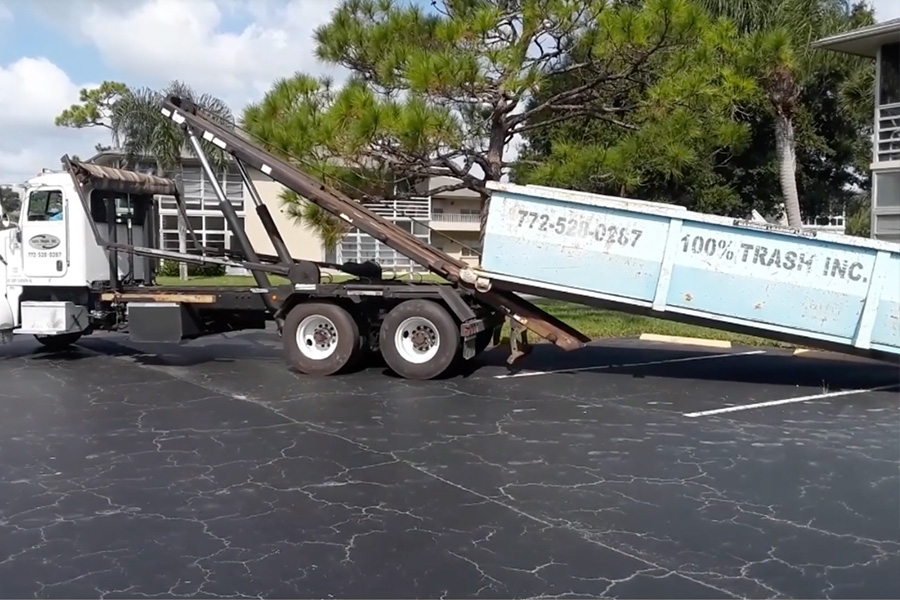
Port St. Lucie has grown fast. What was a relatively quiet stretch of the Treasure Coast a couple of decades ago is now one of Florida’s largest cities by population — and with that growth has come a construction boom, a wave of home renovations, and a steady stream of residents tackling projects that generate more waste than a standard bin collection can handle. Knowing how to navigate waste removal efficiently is increasingly practical knowledge for anyone living or working here.
This guide covers ten things that genuinely make the process easier — not the generic advice you find everywhere, but the specific decisions and overlooked details that separate a smooth rental experience from an expensive, inconvenient one.
Tip 1: Understand That Port St. Lucie’s Layout Affects Your Logistics
Unlike older, denser cities, Port St. Lucie is sprawling and suburban by design. Many neighbourhoods have wide driveways, HOA restrictions, and limited street parking — all of which affect where a container can be placed and whether a permit is needed. Some communities require written approval before any large equipment is stationed on a driveway or verge. Check with your HOA before you book, not the morning the truck is due. One phone call in advance is worth considerably more than an argument with a management company while a driver is waiting.
Tip 2: Seasonal Timing Changes Everything
Florida’s weather is not just a backdrop — it is an active variable in any outdoor project. The wet season runs roughly from June through September, and working around afternoon downpours affects both your project pace and your container. A rained-into dumpster filled with absorbent materials like drywall or insulation can become significantly heavier than expected, pushing you over weight limits you had planned around. If your project runs through summer, either cover the container or factor in additional weight margin when choosing your size.
Tip 3: The Cheapest Quote Is Rarely the Whole Price
When people search for dumpster rental Port St. Lucie options, the first thing they compare is the headline price. That number, on its own, means almost nothing without understanding what sits underneath it. Does the quote include a set weight allowance, or is weight billed separately per ton? Is the rental period seven days or fourteen? Are there fuel surcharges? Environmental levies? A quote that looks competitive at first glance can finish 30 to 40 percent higher once the variables are counted. Ask for a fully itemised breakdown before you commit to anything.
Tip 4: Weight Is the Variable Most People Get Wrong
Volume is easy to visualise — you can look at a container and get a rough sense of whether your debris will fit. Weight is invisible until it becomes a surcharge. Dense materials like concrete, roofing shingles, tiles, and wet soil reach weight limits quickly regardless of how much physical space they take up. A half-full container loaded with broken concrete can exceed the weight allowance of a full container loaded with timber and cardboard. If your project involves heavy materials, ask the provider specifically what the per-ton overage rate is and build that possibility into your budget.
Tip 5: Think About What Your Crew Will Actually Be Loading
This sounds basic, but the physical reality of loading a container matters. A roll-off dumpster sits at a fixed height — and repeatedly lifting heavy debris up and over the side is slow, tiring work. Many containers have a rear door that swings open to allow wheelbarrow access, which dramatically speeds up loading for heavy or bulky material. Ask your provider whether the container comes with a walk-in door, and if so, make sure it is positioned where your crew can actually use it rather than blocked by a wall or parked vehicle.
Tip 6: Prohibited Materials Lists Are Not Suggestions
Every legitimate waste removal provider maintains a list of materials that cannot go into a standard roll-off container. Hazardous waste, liquid paint, motor oil, propane tanks, tyres, and certain appliances are common items on those lists — and they are prohibited for reasons that go beyond company policy. If prohibited materials are found during processing at the landfill, the load can be rejected entirely, returned to you, and billed at a significantly higher rate. Sort before you load, not after something comes back.
Tip 7: Match the Rental Period to Your Actual Working Pattern
A standard rental window might be seven or ten days, but that clock starts from delivery — not from when you start seriously loading. If your project has a slow start, materials arriving in phases, or a crew that works part-time, you can burn through most of your rental period before the heavy loading even begins. Either book a longer rental upfront, or have an honest conversation with the provider about what an extension costs and how much notice they need. Knowing the extension rate before you need it is always better than finding out under pressure.
Tip 8: Protect Your Driveway Before the Container Arrives
Concrete and paver driveways in Port St. Lucie are not always built to take the concentrated weight of a fully loaded roll-off container. The steel wheels or legs of a dumpster can crack pavers, leave permanent indentations in softer concrete, or cause subtle structural damage that only becomes visible later. Laying down a few sheets of thick plywood before the container is placed distributes the weight more evenly and costs almost nothing compared to a driveway repair bill. It also makes the provider’s job easier and reduces the risk of any damage disputes.
Tip 9: Storm Damage Projects Require Faster Thinking
The Treasure Coast takes direct hits and near-misses from tropical systems regularly enough that storm cleanup is a recurring reality for many homeowners. In the immediate aftermath of a significant event, demand for containers surges — and providers, equipment, and drivers all get stretched simultaneously. If your property has sustained damage and you know debris removal is coming, contact providers as early as possible, even before you have a complete picture of what needs to go. Securing a container early, even if it sits a day or two before you start loading, is far less costly than waiting until availability dries up.
Tip 10: The Right Provider Is Part of the Project Team
It sounds like a stretch, but the waste removal provider you choose genuinely affects how smoothly the rest of your project runs. A reliable provider delivers on time, communicates clearly about weight and material limits, and picks up promptly when you call. An unreliable one leaves you with a full container sitting on your driveway for three days past the agreed collection date while your project stalls. Before booking, read recent reviews specifically for on-time delivery and pickup — those two things are where the operational gaps in this industry tend to show up most visibly.
Managing waste removal well is less about finding the lowest price and more about making a few informed decisions early. For anyone navigating dumpster rental Port St. Lucie for the first time — or the fifth — the projects that go smoothly are almost always the ones where waste logistics were treated as part of the plan, not an afterthought bolted on at the end.